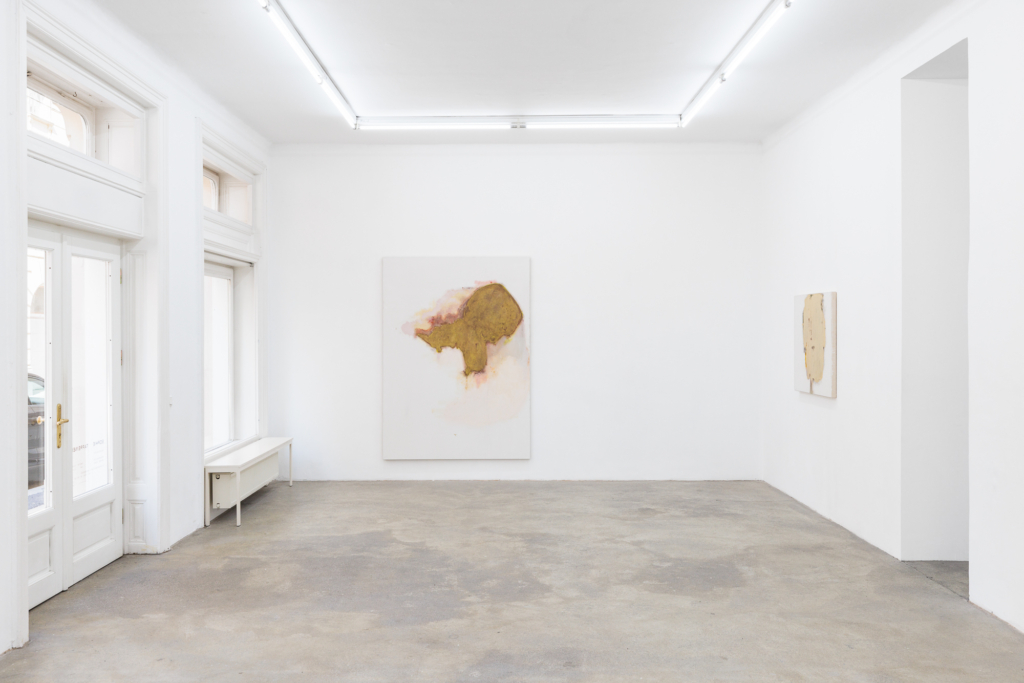
Lone Haugaard Madsen, Raum#427-Sisu/Zossima, installation view, SOPHIE TAPPEINER, 2026
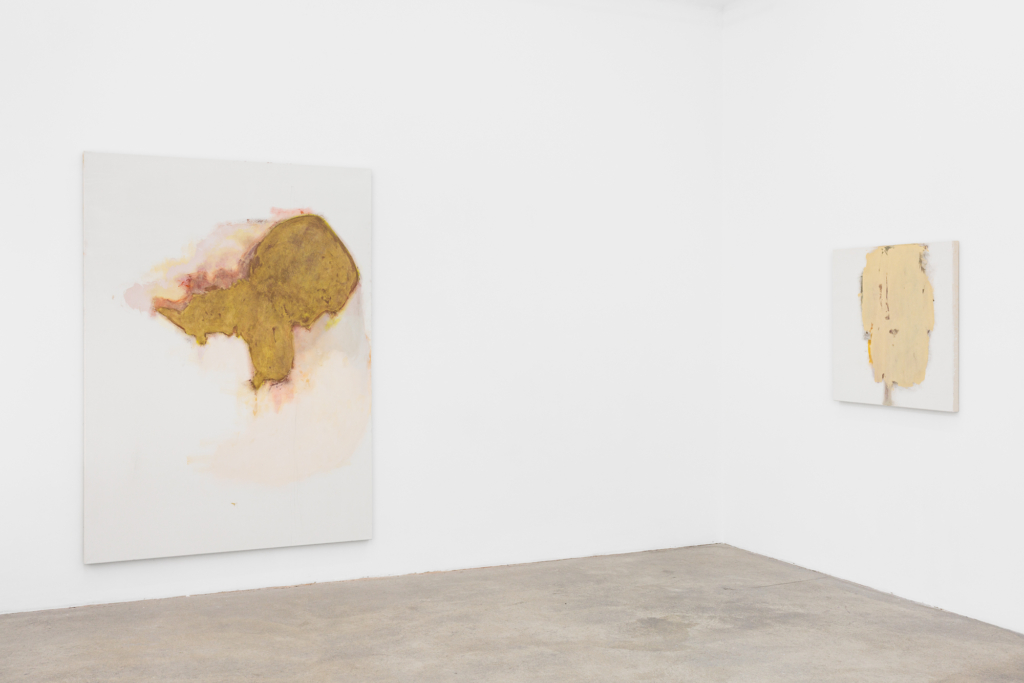
Lone Haugaard Madsen, Raum#427-Sisu/Zossima, installation view, SOPHIE TAPPEINER, 2026
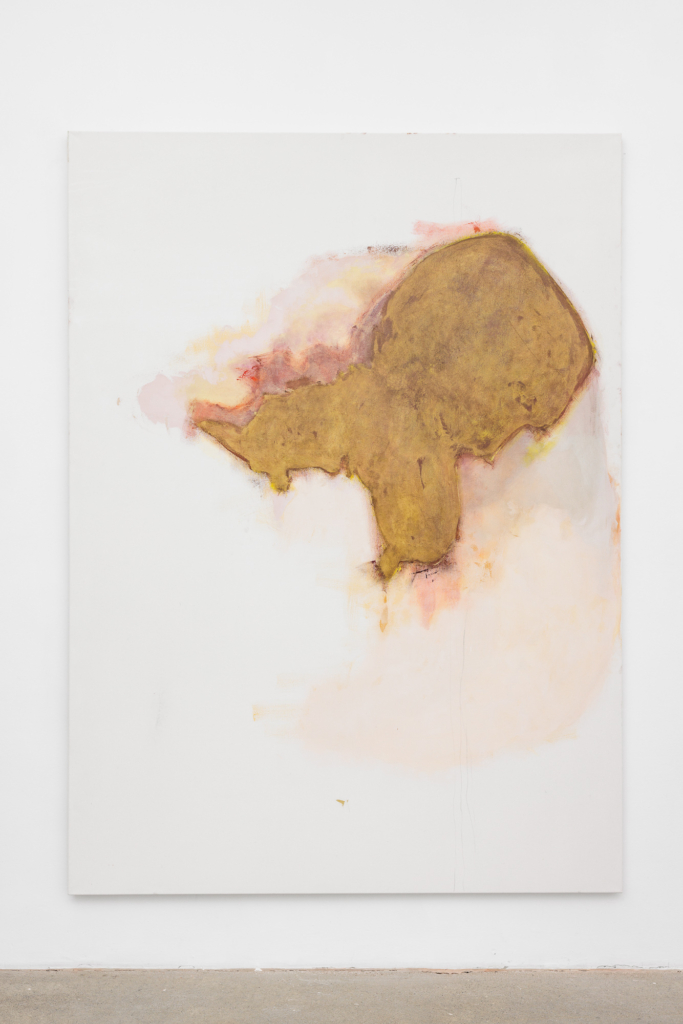
Lone Haugaard Madsen, Raum#427-1, 2026, oil on canvas, 220 x 160 x 4,5 cm
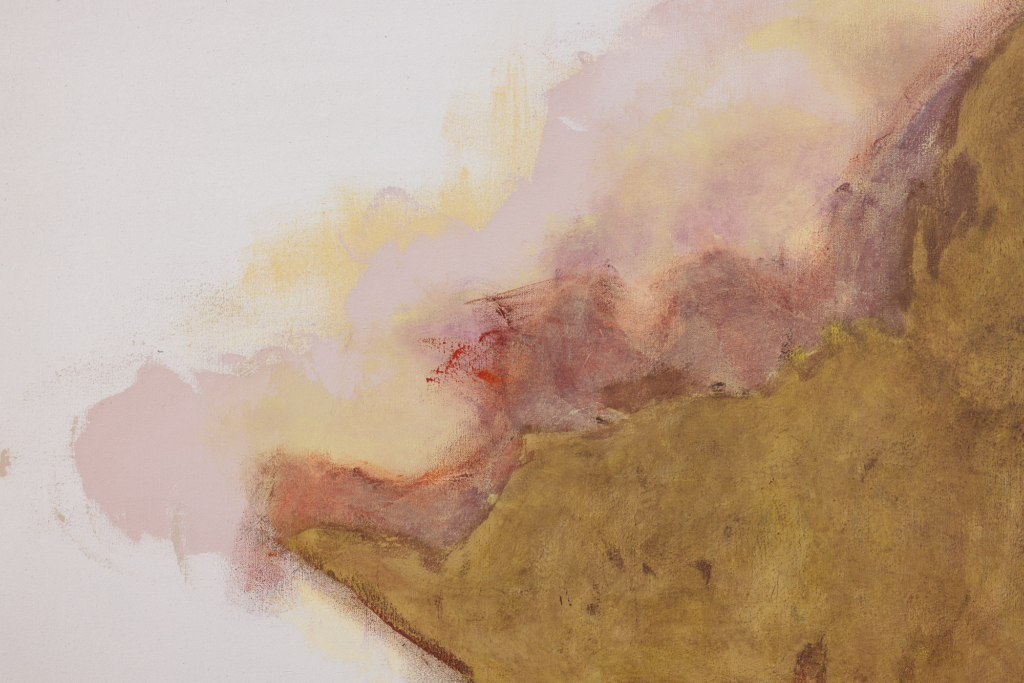
Lone Haugaard Madsen, Raum#427-1, 2026 (detail)
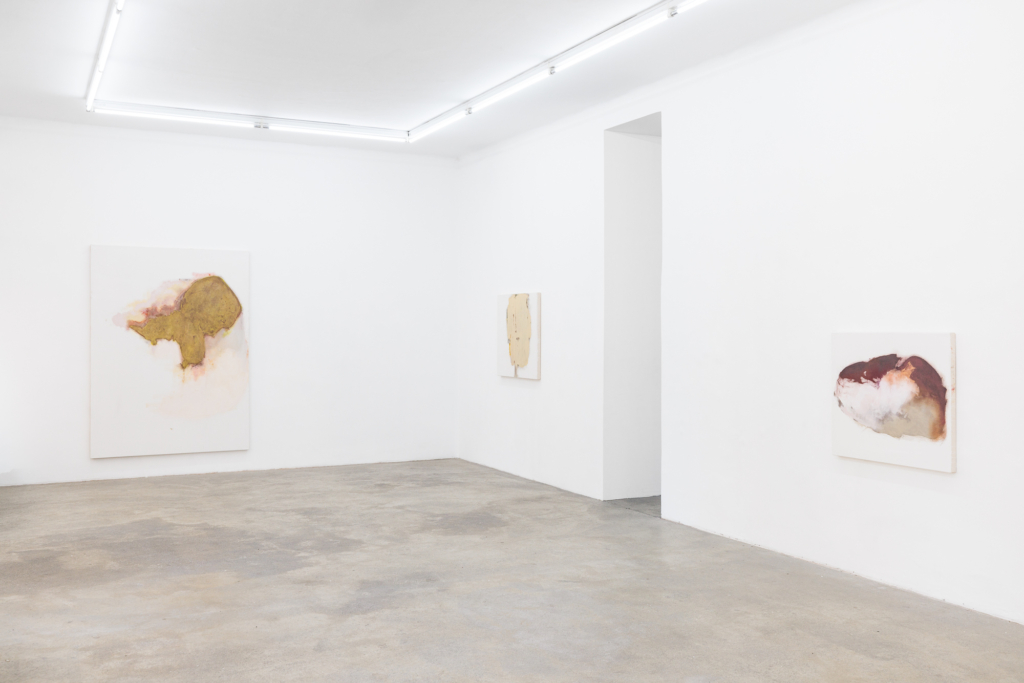
Lone Haugaard Madsen, Raum#427-Sisu/Zossima, installation view, SOPHIE TAPPEINER, 2026
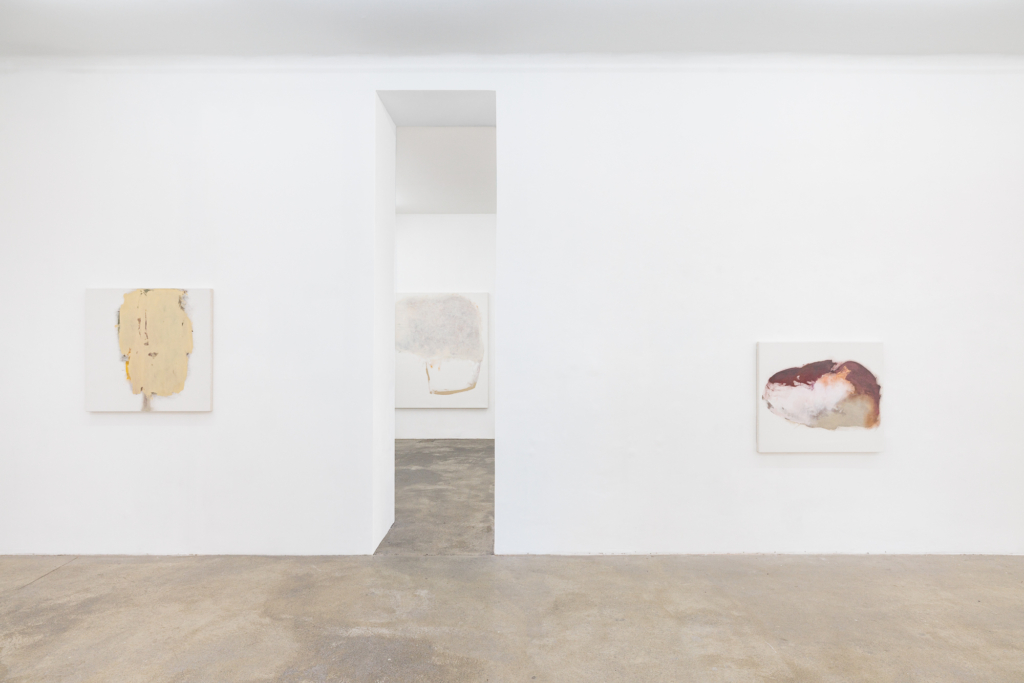
Lone Haugaard Madsen, Raum#427-Sisu/Zossima, installation view, SOPHIE TAPPEINER, 2026
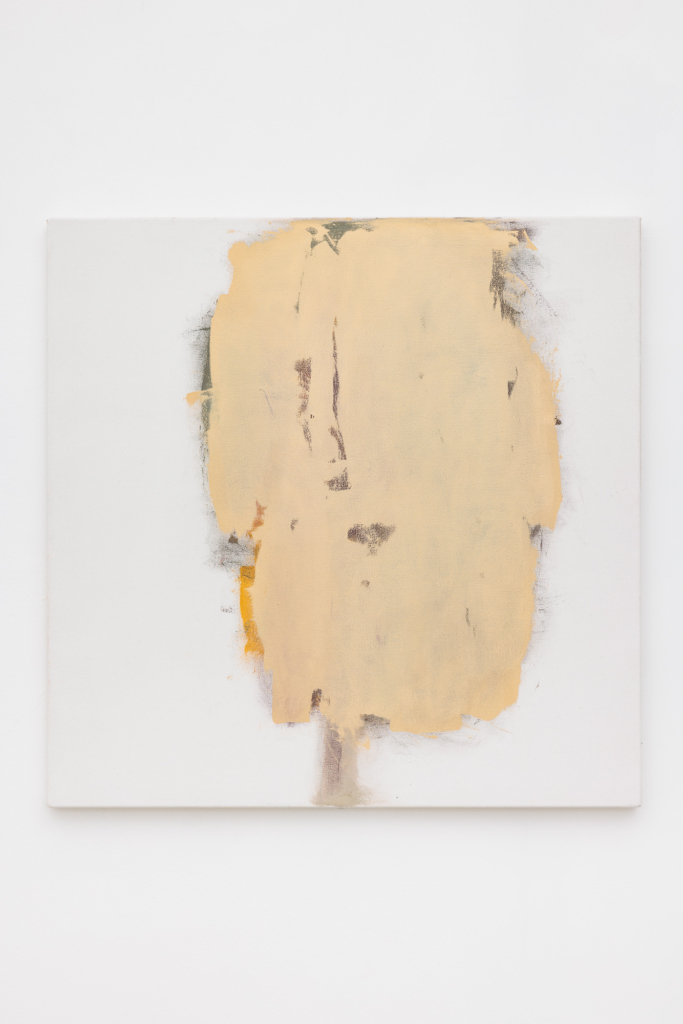
Lone Haugaard Madsen, Raum#427-9, 2026, oil on canvas, 90 x 80 x 4,5 cm
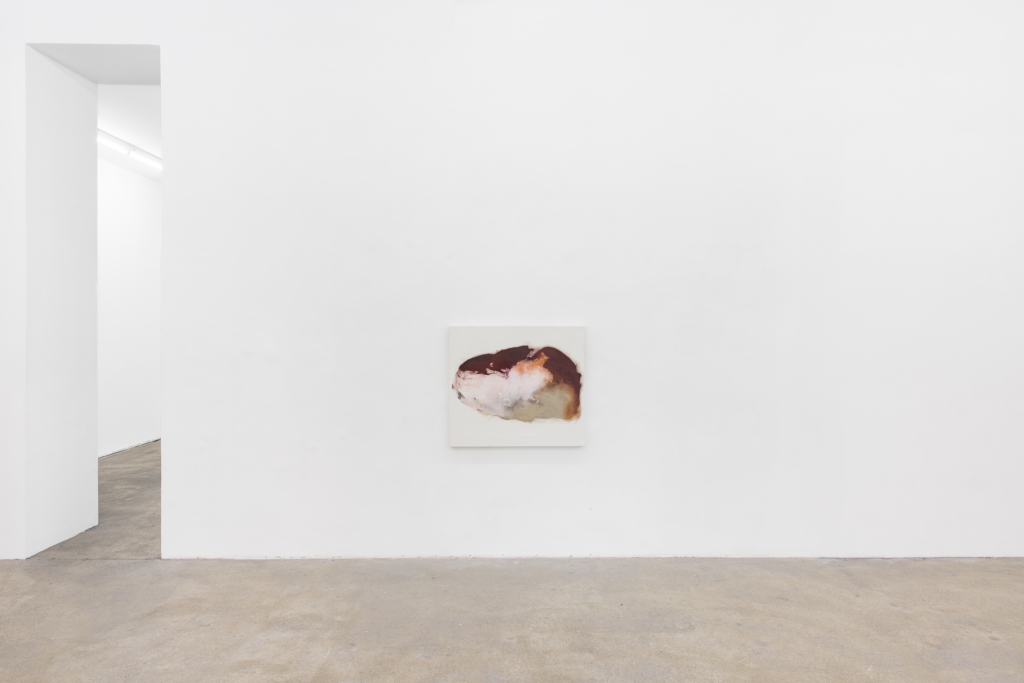
Lone Haugaard Madsen, Raum#427-Sisu/Zossima, installation view, SOPHIE TAPPEINER, 2026
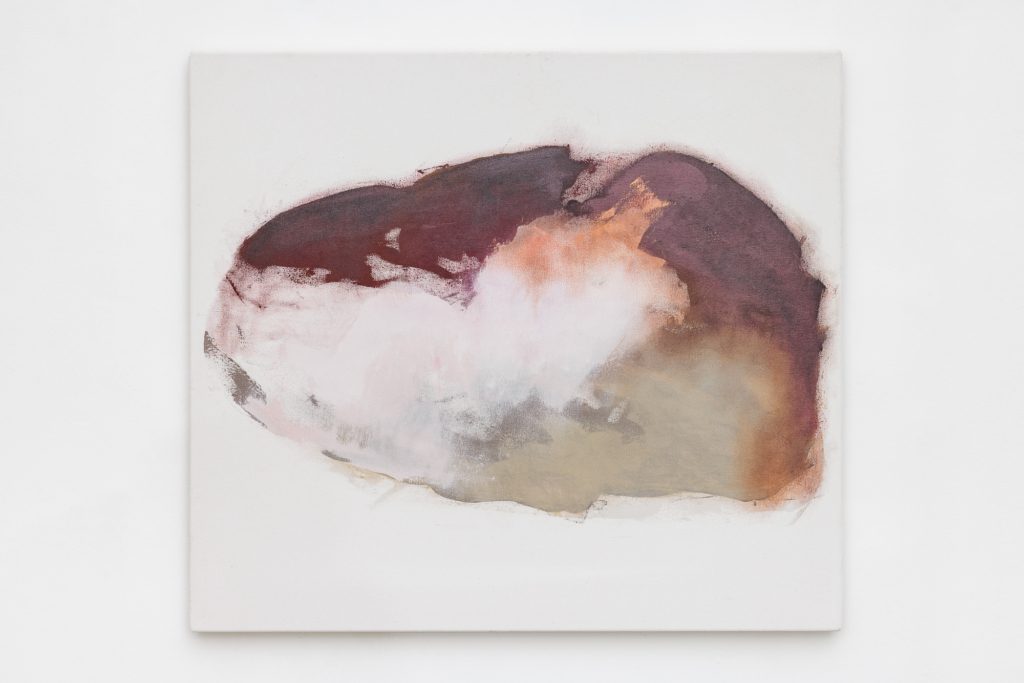
Lone Haugaard Madsen, Raum#427-8, 2026, oil on canvas, 80 x 90 x 4,5 cm
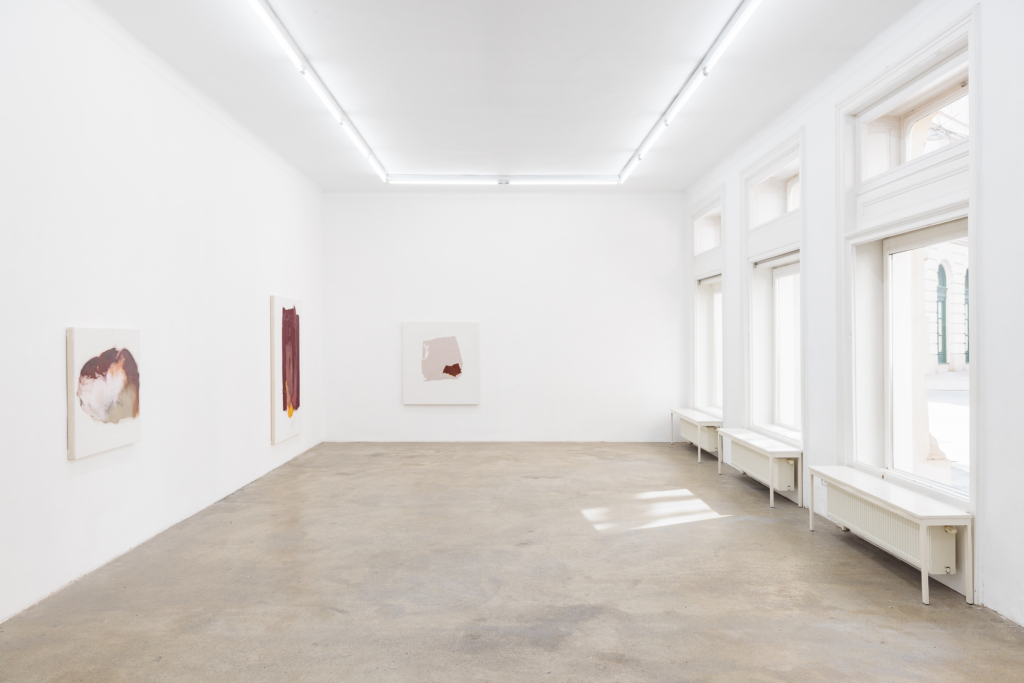
Lone Haugaard Madsen, Raum#427-Sisu/Zossima, installation view, SOPHIE TAPPEINER, 2026
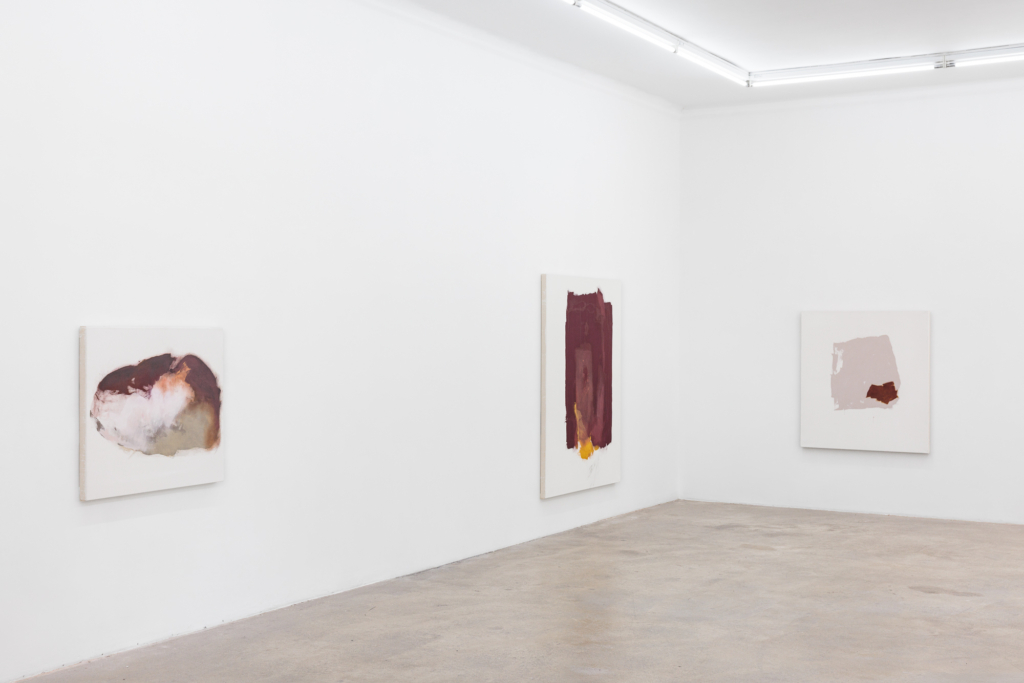
Lone Haugaard Madsen, Raum#427-Sisu/Zossima, installation view, SOPHIE TAPPEINER, 2026
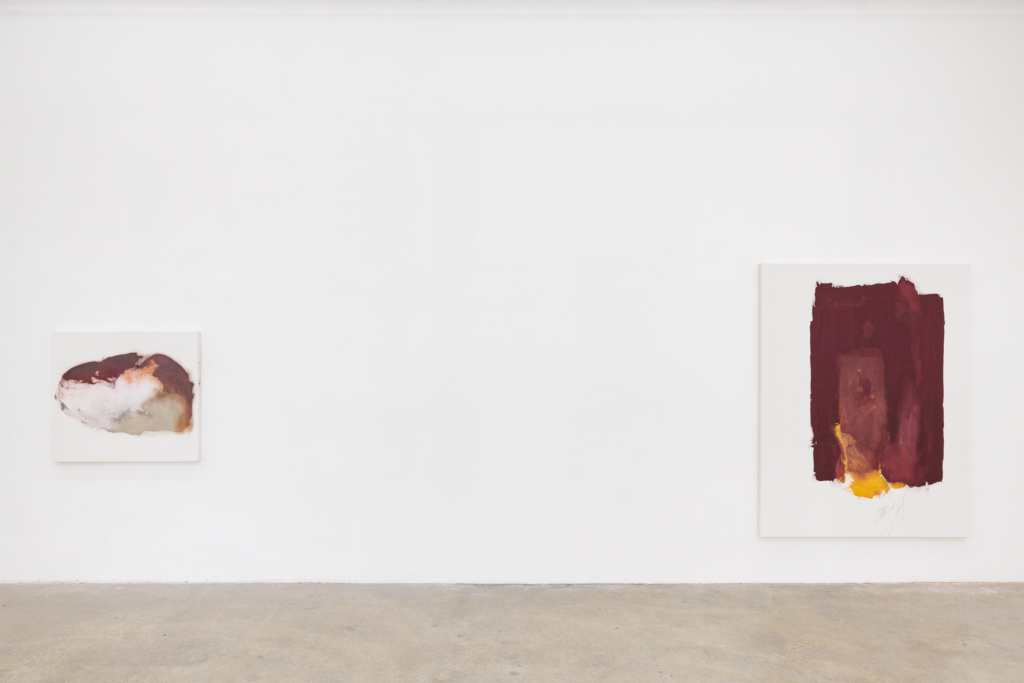
Lone Haugaard Madsen, Raum#427-Sisu/Zossima, installation view, SOPHIE TAPPEINER, 2026
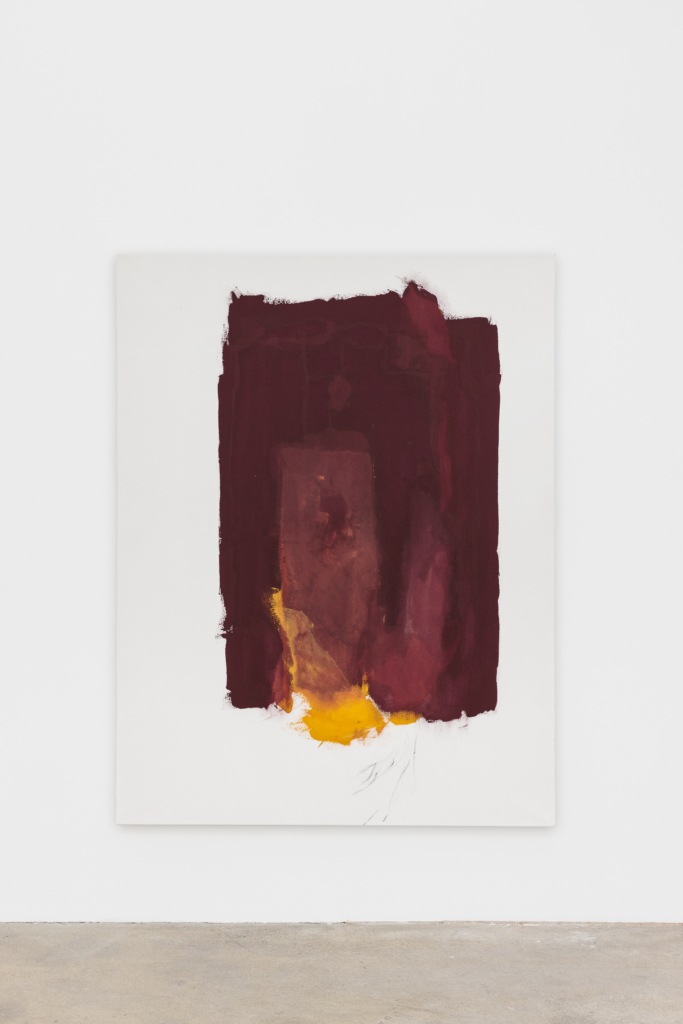
Lone Haugaard Madsen, Raum#427-5, 2026, oil on canvas, 170 x 130 x 4,5 cm
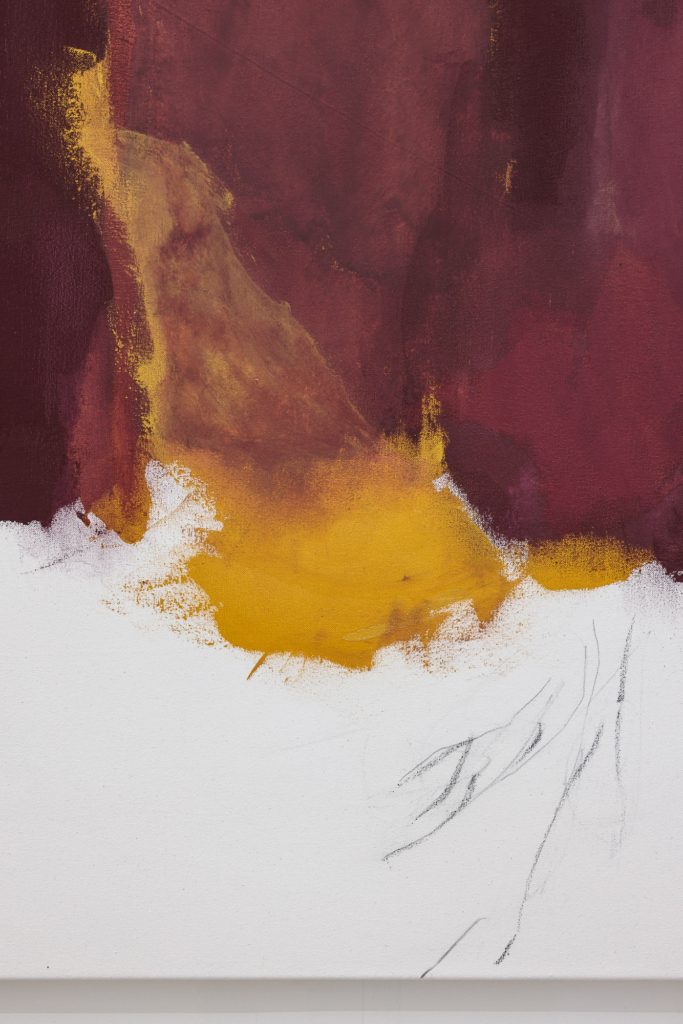
Lone Haugaard Madsen, Raum#427-5, 2026 (detail)
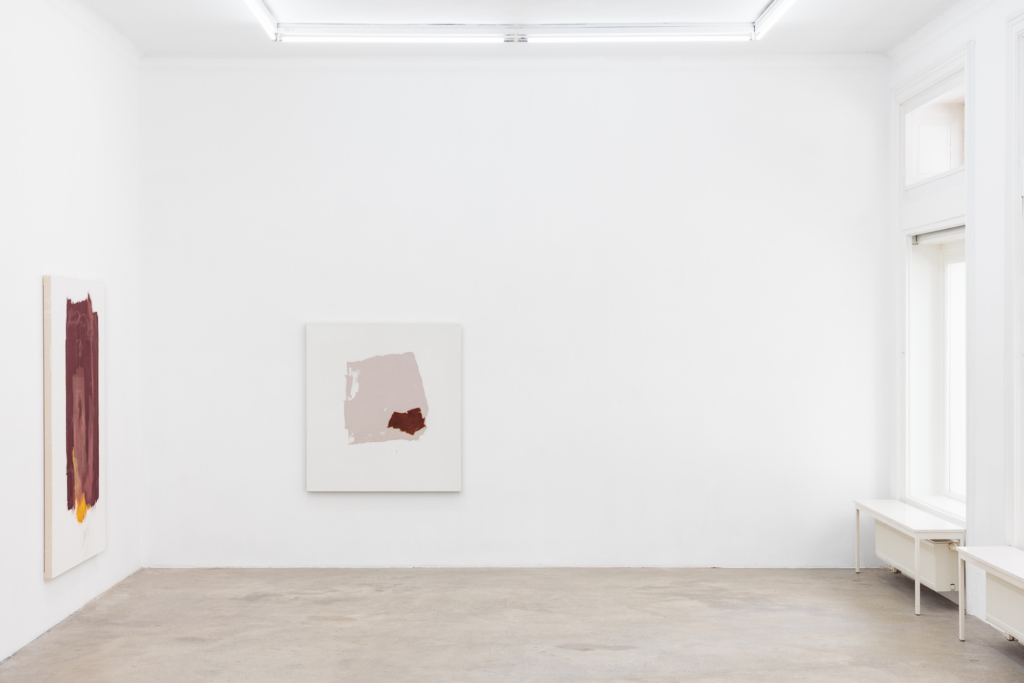
Lone Haugaard Madsen, Raum#427-Sisu/Zossima, installation view, SOPHIE TAPPEINER, 2026
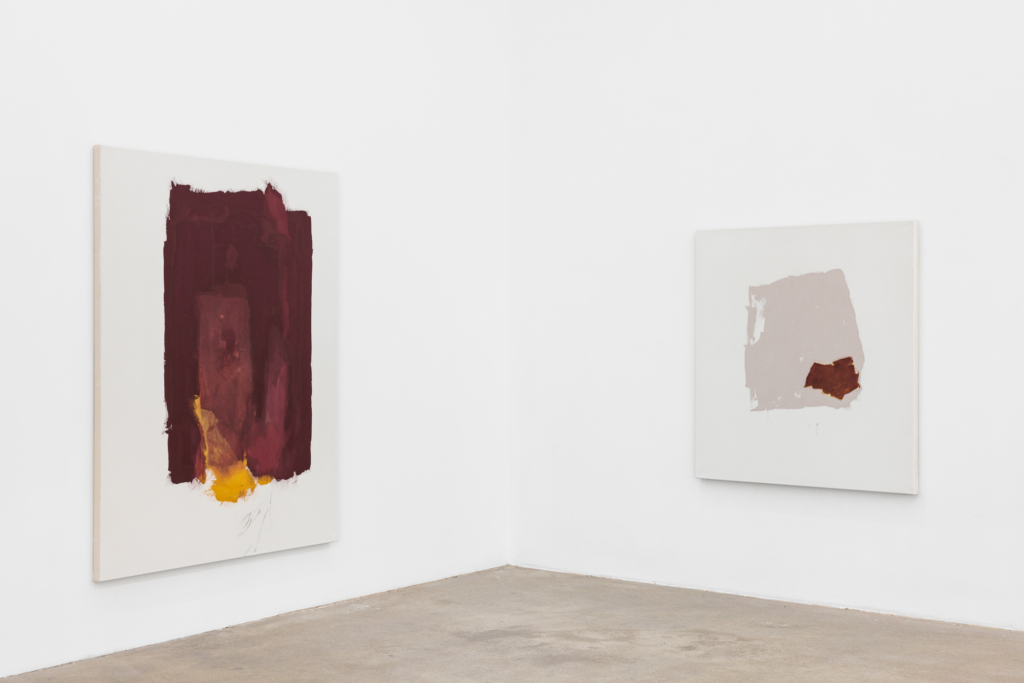
Lone Haugaard Madsen, Raum#427-Sisu/Zossima, installation view, SOPHIE TAPPEINER, 2026
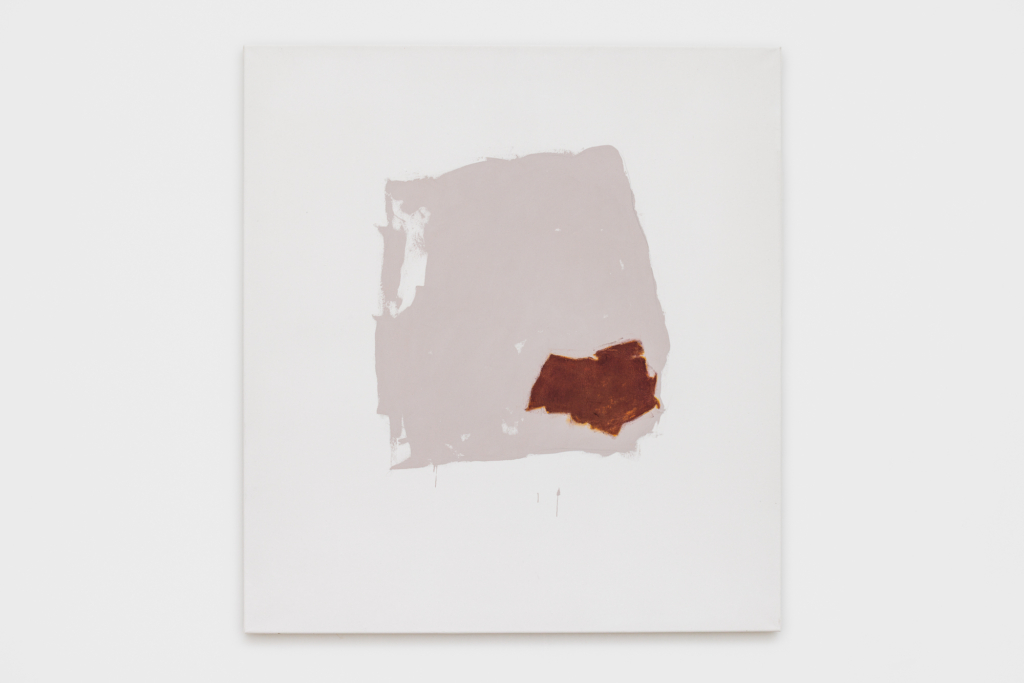
Lone Haugaard Madsen, Raum#427-4, 2026, oil and pencil on canvas, 120 x 110 x 4,5 cm
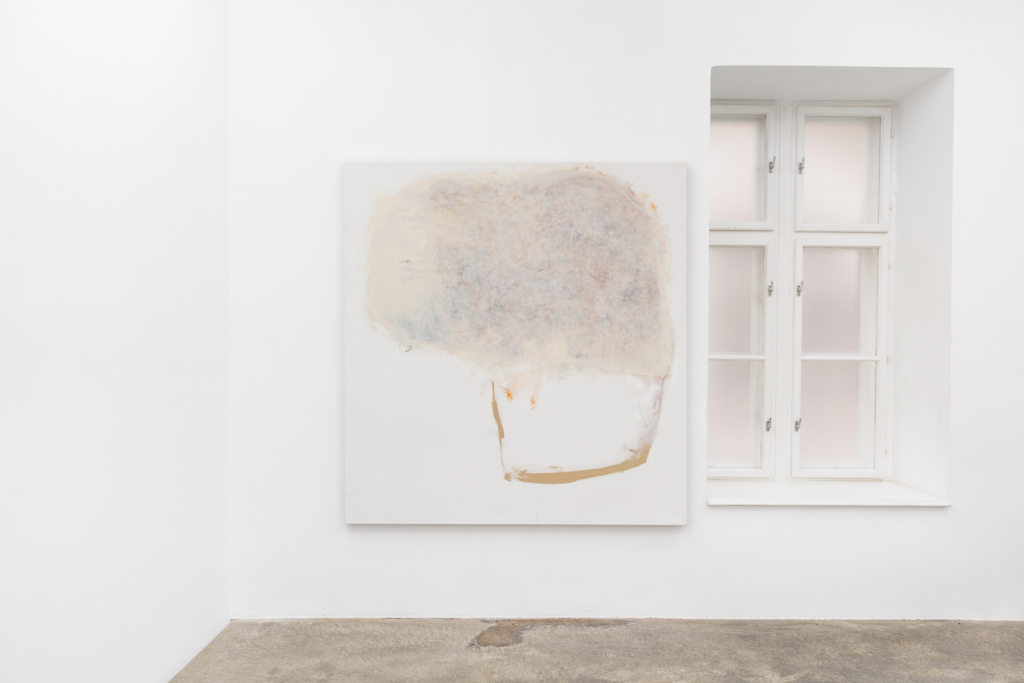
Lone Haugaard Madsen, Raum#427-Sisu/Zossima, installation view, SOPHIE TAPPEINER, 2026
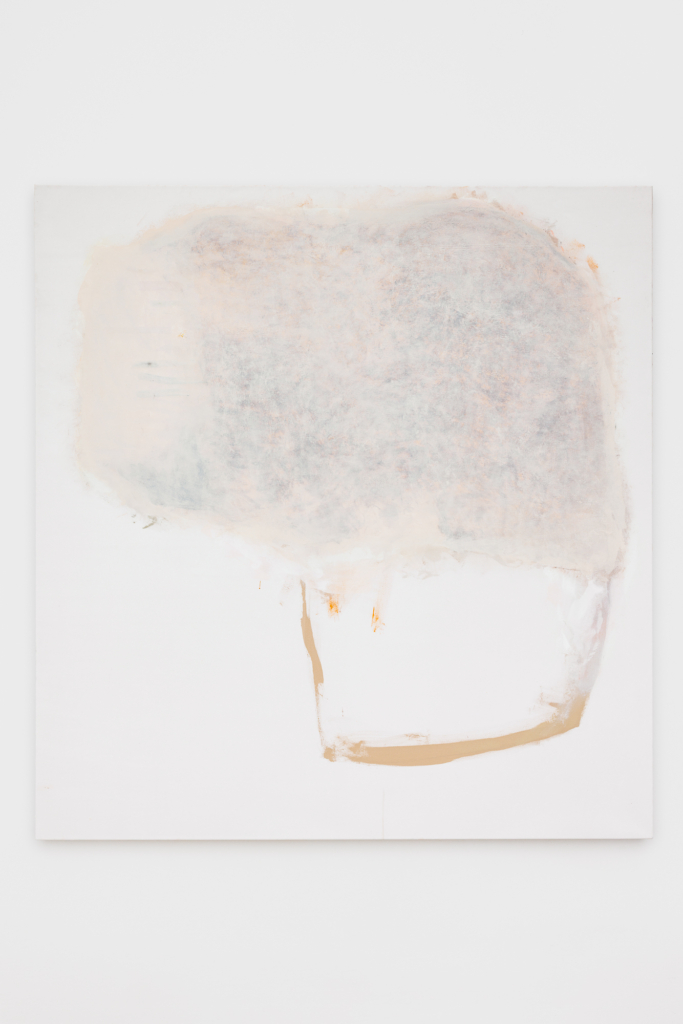
Lone Haugaard Madsen, Raum#427-7, 2026, oil on canvas, 180 x 190 x 4,5 cm
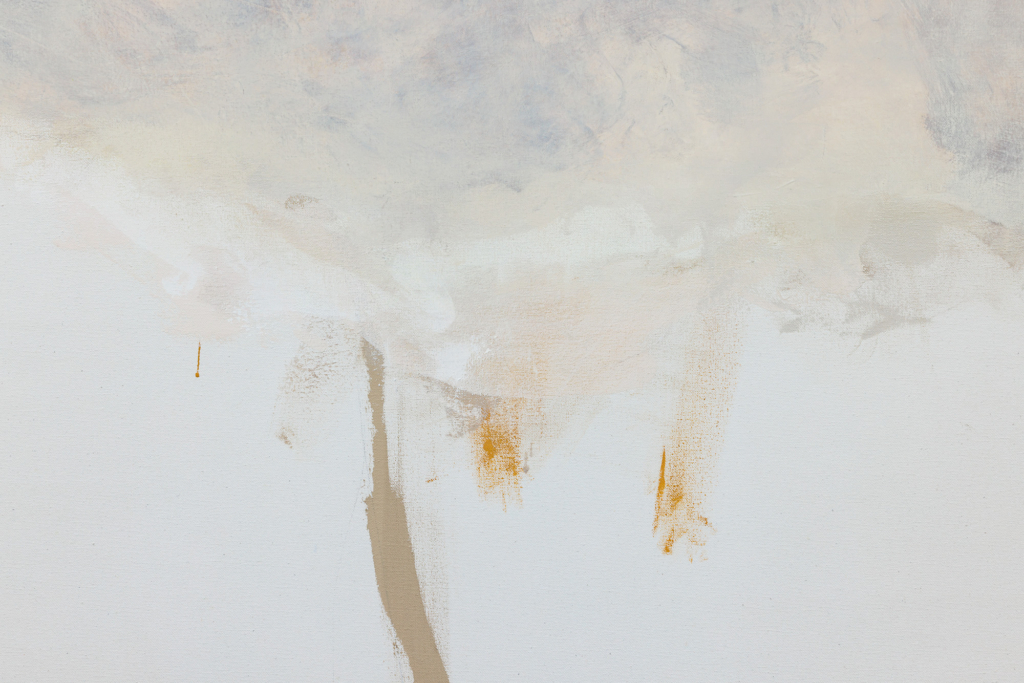
Lone Haugaard Madsen, Raum#427-7, 2026 (detail)
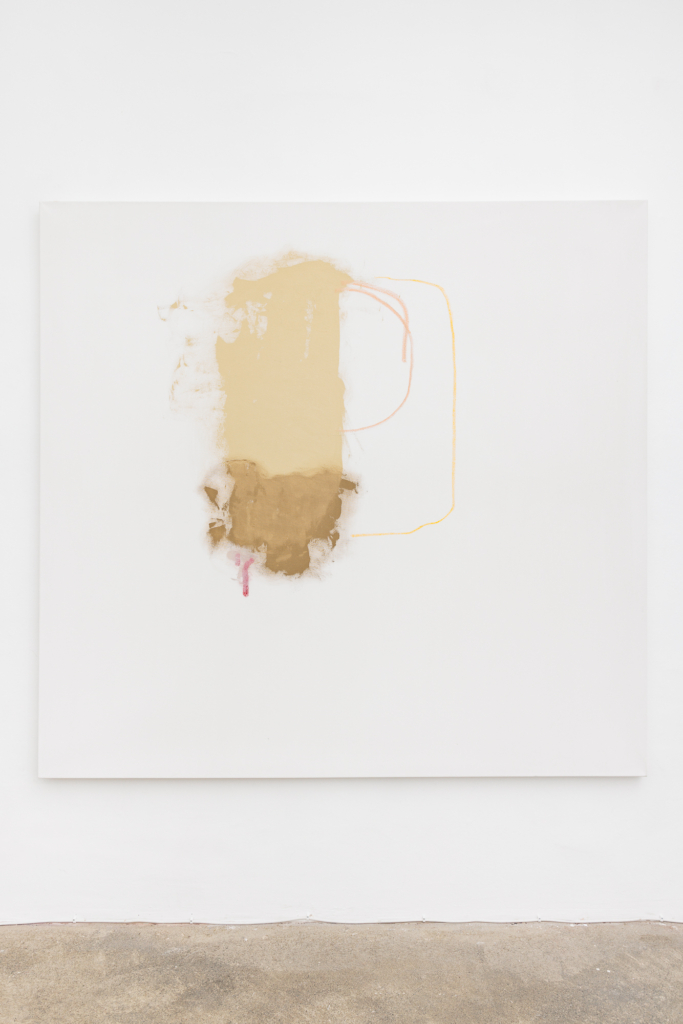
Lone Haugaard Madsen, Raum#427-2, 2026, oil on canvas, 180 x 190 x 4,5
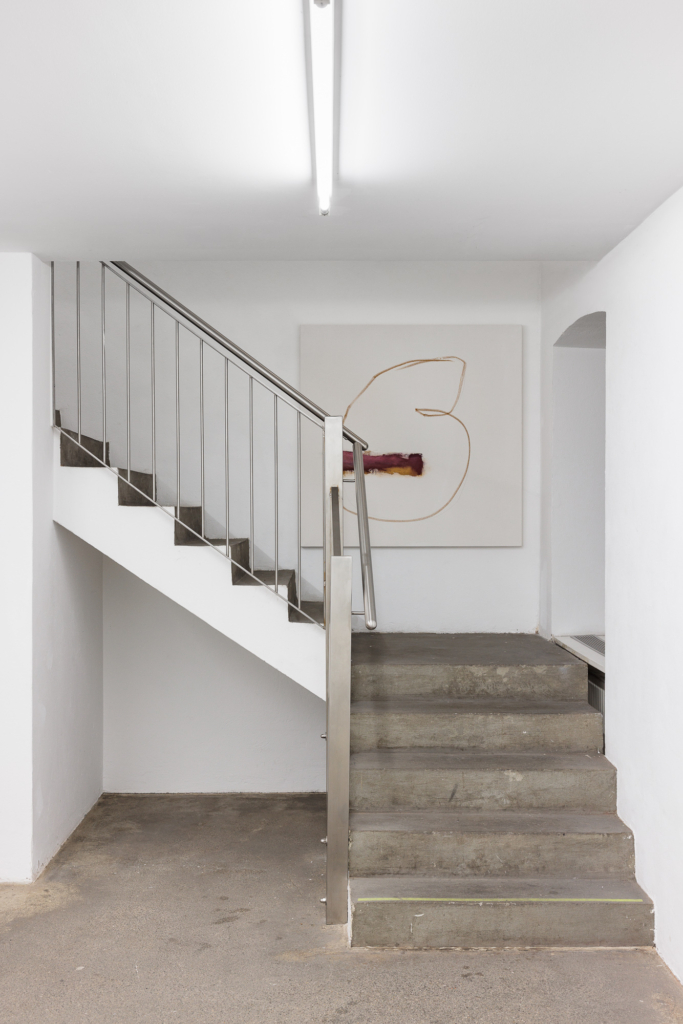
Lone Haugaard Madsen, Raum#427-Sisu/Zossima, installation view, SOPHIE TAPPEINER, 2026
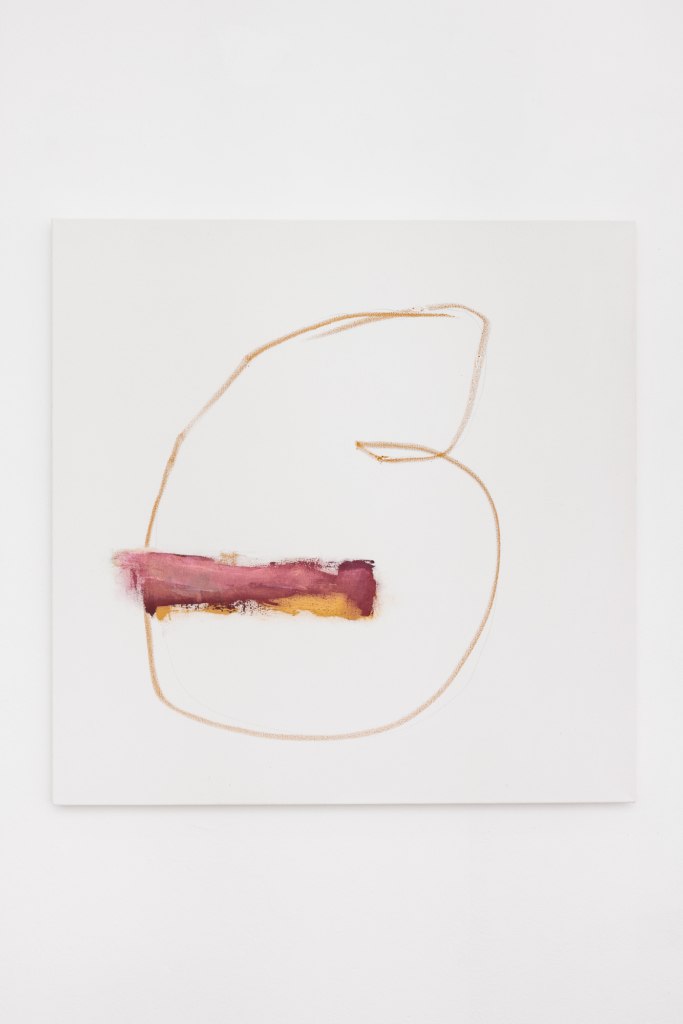
Lone Haugaard Madsen, Raum#427-3, 2026, oil on canvas, 120 x 120 x 4,5 cm
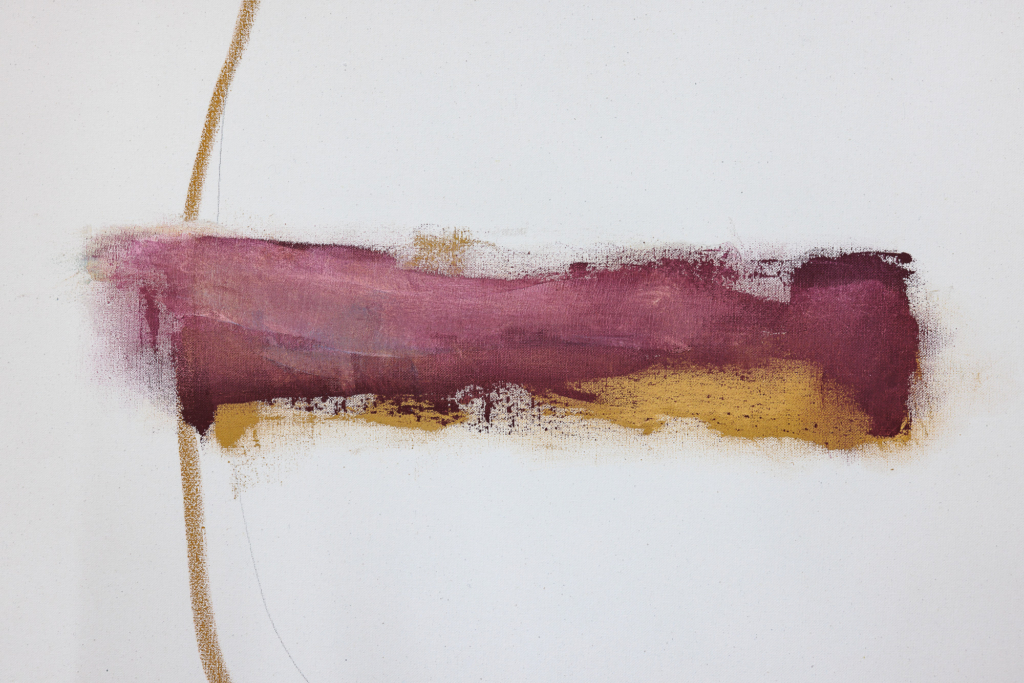
Lone Haugaard Madsen, Raum#427-3, 2026 (detail)
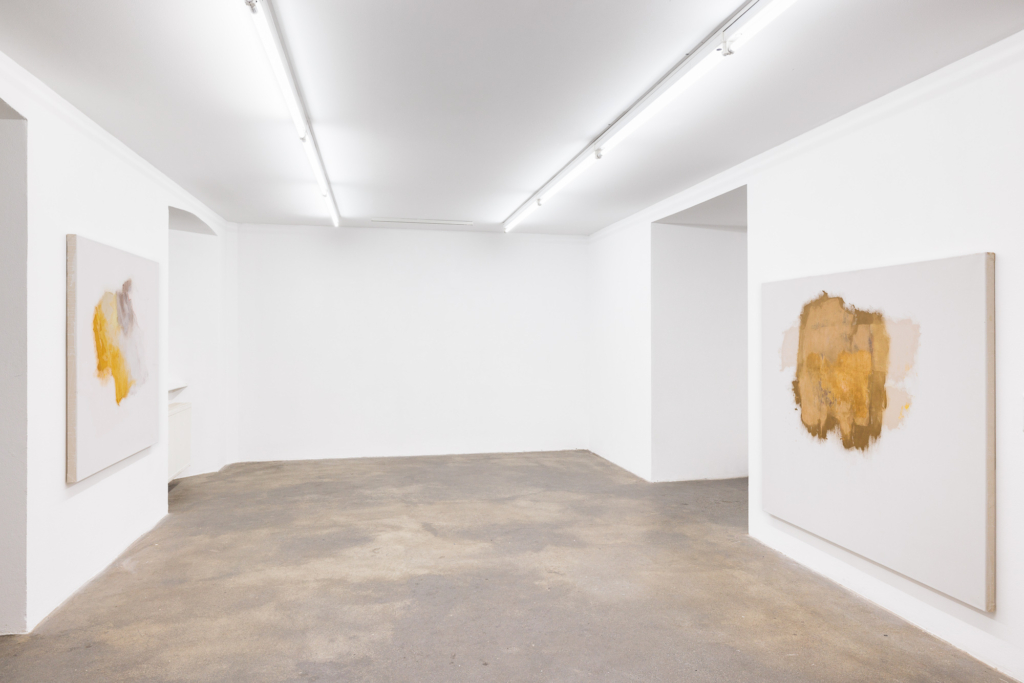
Lone Haugaard Madsen, Raum#427-Sisu/Zossima, installation view, SOPHIE TAPPEINER, 2026
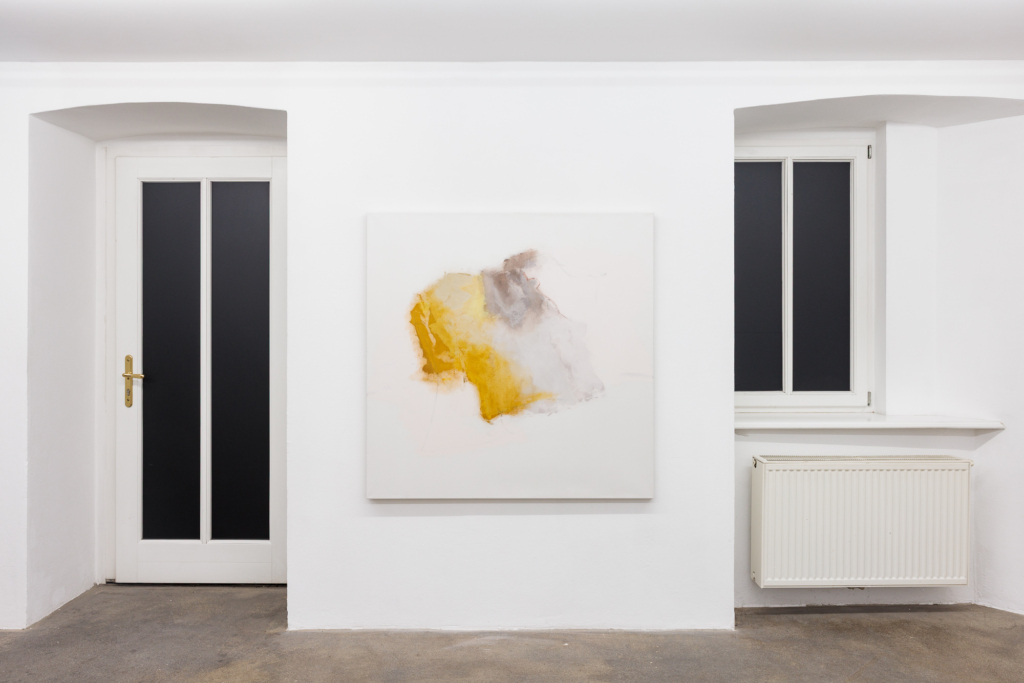
Lone Haugaard Madsen, Raum#427-Sisu/Zossima, installation view, SOPHIE TAPPEINER, 2026
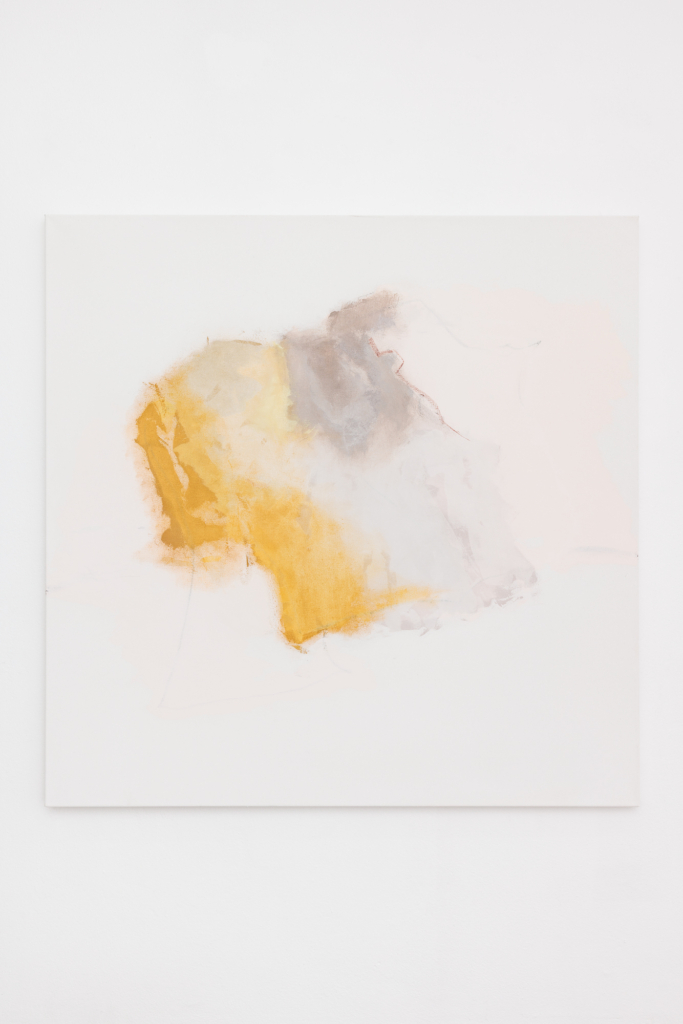
Lone Haugaard Madsen, Raum#427-6, 2026, oil on canvas, 130 x 130 x 4,5 cm
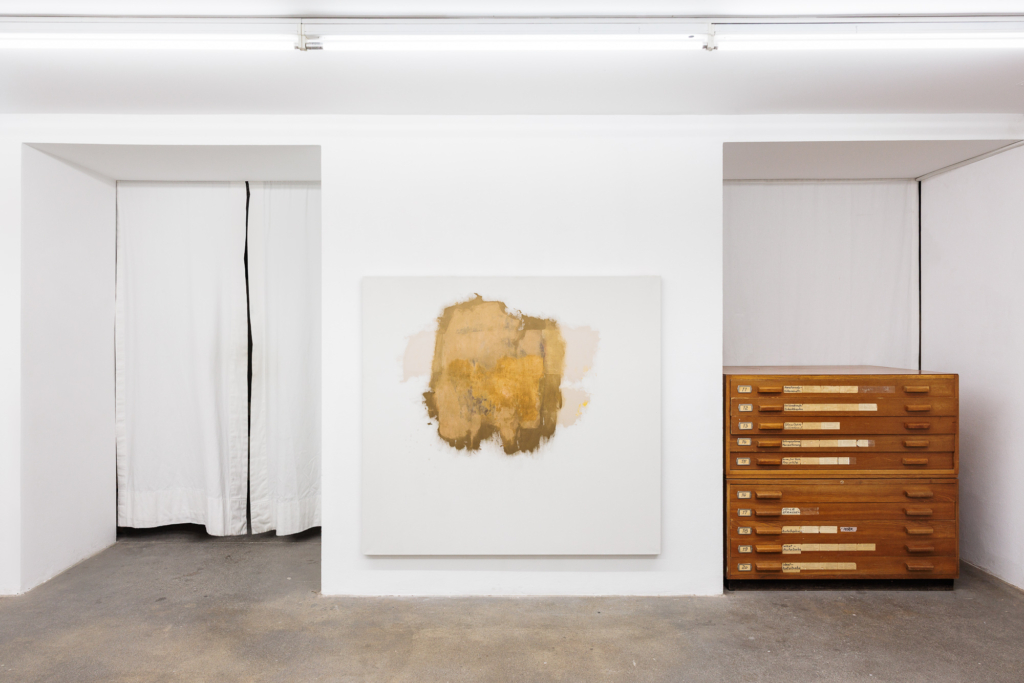
Lone Haugaard Madsen, Raum#427-Sisu/Zossima, installation view, SOPHIE TAPPEINER, 2026
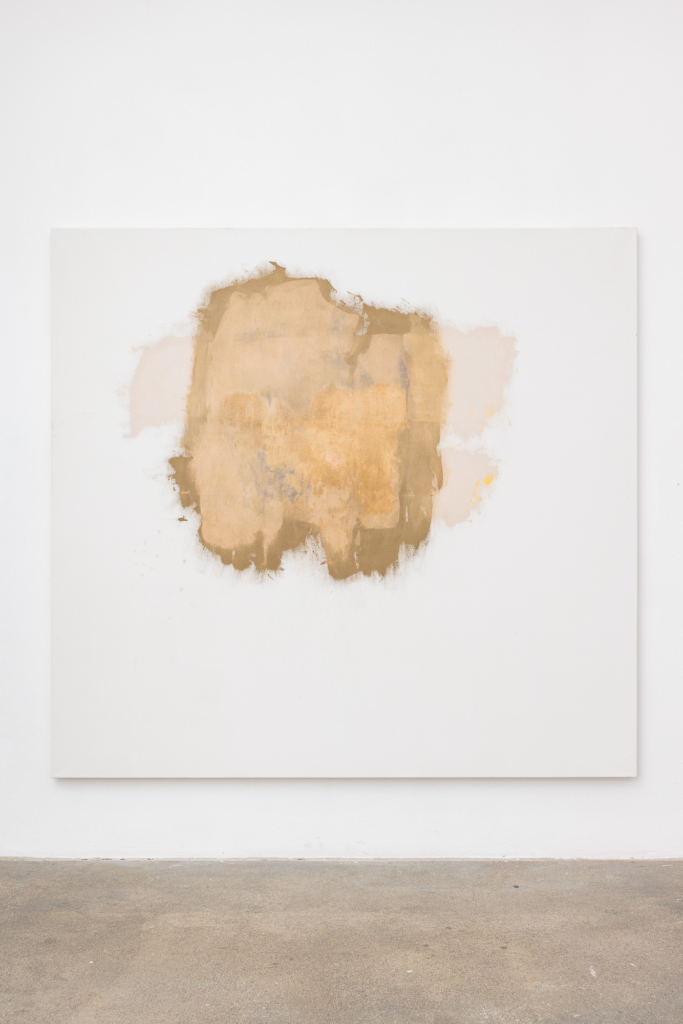
Lone Haugaard Madsen, Raum#427-11, 2026, oil on canvas, 150 x 160 x 4,5 cm
Begin with the yellow-leafed view of things seen from a distance, as seen between seasons, as seen through the stickiness of an unclean break.
〇
In Finnish language, the word sisu is an untranslatable word, carrying not just one meaning, but rather a life philosophy. A thing felt, like religion or love.
In a The New York Times article from the grim 1940, Hudson Strode, while traveling in Finland, tries to trace the meaning of sisu, describing it as a special kind of inner strength, as something still more 2 – an ethereal condition. And as some words stretch beyond language, the author goes on to portray the Finnish way of being, trying to lean into the meaning of sisu. He describes it as a state of mind stemming from acceptance and a special kinship with the wild:
In our Finnish world, where everything must be paid for, we have our solitude in exchange for our endless space. And the darkness of our Winters rich with snow against our marvelous Summers brimful of light. The melancholy you will find in our music and in our poetry is the black flower of the silent wilderness. You cannot find it among orange blossoms. 2
The black flower of the silent wilderness. A strong will that carries a man even through grey granite 2. I continue tracing the meaning of the word, naturally attracted to its Nordic mysteriousness. I kind of feel bad looking it up, fearing that exposing it too much might dim it, like what happened with the Danish hygge after the internet got hold of it. Sisu still feels free from this, as it does not stand for an external feeling you create around you, it stands for something one finds in the guts of things. Other meanings of the word I find online are courage, stoicism, resilience – all quiet words, found in continuous action rather than noise. The patient, repeated act of showing up, regardless of logic, reason or success.
Poet and activist Diane di Prima wrote her poem “The Poetry Deal” in 1993 to address the unspoken contract between her and poetry. One of the beauties of this poem is that, while reading it, the reader feels as if they are generously granted access to this conversation, though they are not the one being addressed – the you in the poem is poetry itself. “The Poetry Deal” is a personal letter from di Prima, in which she speaks to her practice of writing:
What I offered you wasn’t much: you can always wake
me
Like my closest friend, or most loved lover.
You can burn my favorite snapshot of myself
Lead me on paths or non-paths anywhere
You can not make sense for years & I’ll still believe
you
In this intimate confession, the poet makes it clear, to herself and to us, that no matter the external events – ephemeral or permanent – her practice is the one she chooses to follow: an entity she trusts and returns to, outside rational sense.
Lone Haugaard Madsen’s work is driven by a non-negotiable urgency to do. And by non-negotiable, I don’t mean a forceful, flatten-everything-in-its-path kind of doing. Her way of working allows space for pausing, for welcoming uncertainty, and for moving with it rather than against it. She once described this way of working to me as shivering, and more recently as active hesitation. Similar to the assemblages she makes, she has married these two words, which, in my mind, seem to reject each other – how can a lack of action be described as active? In Haugaard Madsen’s practice, every action carries its own question. Hesitation as curiosity, vulnerability, as adjustment. Observing, intervening, stepping back, returning. Active hesitation – as understanding what’s around, in front of and behind you; as actively keeping on, hand in hand with the shiver.
Walking through the exhibition, what strikes the visitor is the seeming absence of object – in Raum#427 – Sisu/Zossima, Lone Haugaard Madsen chooses to present only painting. Refusing to settle for any category – painter, sculptress, performer, or otherwise – the artist allows herself to navigate between mediums, letting them constantly spill over into one another. When I encounter an assemblage of objects made by Haugaard Madsen, I see her paintings. I see brushstrokes made by time and tools; layers of opaqueness and transparency; the residue of paint, patina, dust, dirt, pollen. And in the paintings, I find these objects again. I see strings holding lumps of clay; rust flakes; bark of walnut trees; fog. I see oxide dust on a sun-bleached carpet; mud, knee-deep snow, a cave. A solar eclipse. Standing before us in its 427th iteration.
I stand before you: a piece of wind
In “The Poetry Deal,” Diane di Prima speaks to her practice as if addressing an old lover. One with two faces: formed and formless. A similar kind of understanding I find in Lone Haugaard Madsen’s words when she speaks about her own. Each exhibition – whether Raum #24 or #400 – is not an endpoint but a moment within the same cosmology, which continuously reappears in changing manifestations. The continuation of trust between Haugaard Madsen’s work and herself is quietly rare for a bond between an artistic practice and an artist. It is a bond more often found in long relationships. I think of it as an entanglement, where individual elements are so interlaced that the ego dissolves. A chosen interdependence, welded by walking the walk together.
– Monika Georgieva
PRESS